928-237-9064
Facebook
Twitter
Google+
LinkedIn
YouTube
Yelp
  • Home
  • Meet Our Team
  • Dental Implants
    • Why Dental Implants?
    • Dental Implant Process
    • Supplemental Treatments
    • Dental Implant Candidacy
    • Sedation Dentistry
  • Resources
    • Dental Implant Care
    • The Benefits of Smiling
    • Risks and Complications of Dental Implants
    • The Benefits of Dental Implants
    • Tooth Loss and Your Health
    • Choosing an Implant Dentist
    • Risks and Complications of Dental Implants
    • Dental Implant Healing and Recovery Tips
    • Dental Implant Aftercare
  • FAQs
  • Testimonials
  • Financing
  • Contact

Bone Grafting

Home Dental Implant Supplemental Procedures Bone Grafting

Our Prescott Valley Dentist Can Help You Qualify for Dental Implants

Dental implants are a game-changer for restoring missing teeth, offering a natural look and feel that can last a lifetime. However, successful implantation often hinges on one critical factor: sufficient jawbone density. If your jawbone lacks sufficient volume or strength, bone grafting may be the solution you need.

If you’ve been told you can’t get dental implants because of insufficient jawbone density, get a second opinion today! Contact our Prescott Valley dentist near you at (928) 237-9064 to schedule an appointment.

Bone Grafting

Meet Dr. Seth Larson

Dr. Seth Larson, DDS, is a Magna Cum Laude graduate of the University of Texas Health Science Center in San Antonio and a member of the Omicron Kappa Upsilon Dental Honor Society. Along with being an active member in the American Dental Association and the International College of Oral Implantologists, Dr. Larson stays up to date on the latest dental implant technology and oral sedation techniques to help his patients feel as comfortable as possible throughout the procedure. Dr. Larson’s goal is to give his patients the beautiful and robust smile they’ve always wanted.

Dr Seth and Family

What Is Bone Grafting?

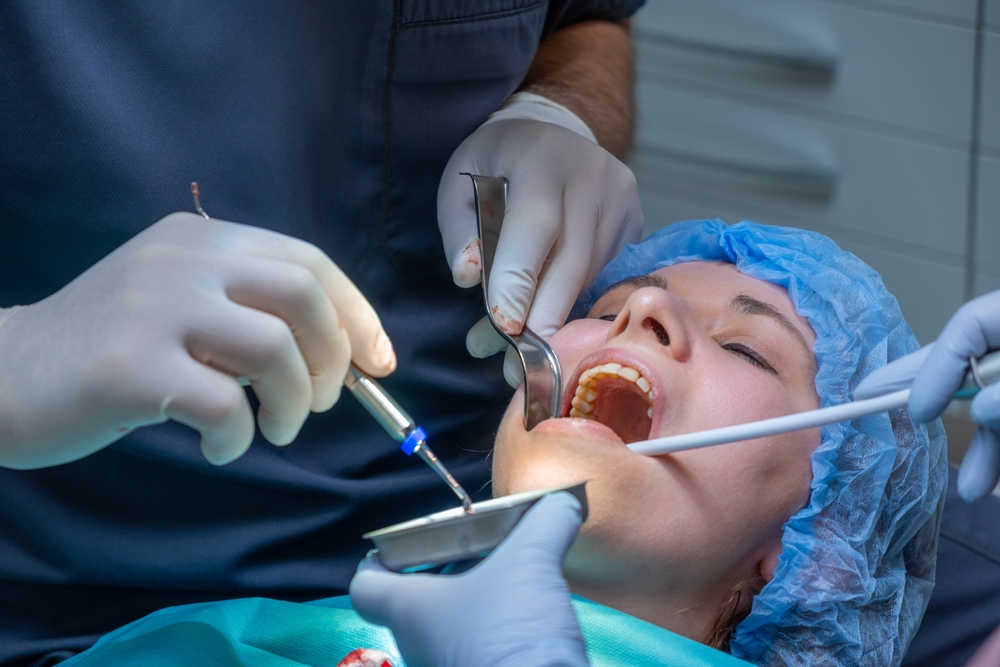
Bone grafting is a surgical procedure that augments or rebuilds the jawbone to provide a stable foundation for dental implants. When teeth are lost or extracted, the surrounding bone may deteriorate due to a lack of stimulation. Conditions like gum disease, trauma, or prolonged tooth loss can further reduce bone volume, making it insufficient to support an implant.


A bone graft involves placing bone material, sourced from your body, a donor, or synthetic materials, into the deficient area. Over time, this material integrates with your natural bone, creating a robust base for the implant.

Why Is Bone Grafting Necessary?

  • Insufficient Bone Volume: Dental implants require a certain amount of bone to anchor securely.
  • Bone Loss from Tooth Extraction: Without a tooth root, the jawbone can resorb over time.
  • Periodontal Disease: Gum disease can erode bone, compromising implant candidacy.
  • Trauma or Injury: Fractures or damage to the jaw may necessitate bone repair.
  • Aesthetic and Functional Needs: A strong jawbone ensures proper implant placement and a natural-looking smile.

Types of Bone Grafts

  • Autograft (Autogenous Bone Graft): Bone harvested from the patient’s own body, often from the chin, jaw, or hip.
  • Allograft (Donor Bone Graft): Bone from a human donor, typically processed and sterilized from a bone bank.
  • Xenograft (Animal-Derived Bone Graft): Bone sourced from animals, usually cows, processed to be biocompatible.
  • Alloplast (Synthetic Bone Graft): Man-made materials like calcium phosphate or hydroxyapatite.

How We Determine if You Need a Bone Graft

Every patient has unique oral health needs, which is why Dr. Seth Larson takes a personalized approach when determining whether a bone graft is recommended before dental implant placement. During your consultation, he will evaluate your smile, discuss your health history, and examine the condition of your jawbone to create a treatment plan that fits your needs.

To gather the information needed for accurate planning, your evaluation may include:

  • A comprehensive dental examination
  • Digital X-rays to assess your oral health
  • 3D Cone Beam CT imaging to evaluate bone height, width, and density
  • An assessment of your gums and surrounding teeth
  • A discussion of your smile goals and implant options

After reviewing your results, Dr. Larson will explain whether a bone graft is recommended, what type of graft may be appropriate, and what you can expect throughout the treatment process. If a bone graft is not necessary, he will discuss other options that may help you qualify for dental implants.


Benefits of Bone Grafts

Bone grafting offers numerous advantages, making it a worthwhile investment for many patients:


  • Improved Dental Implant Success: A strong bone foundation enhances implant stability and longevity.
  • Restored Facial Structure: Dental bone grafts prevent the sunken appearance caused by bone loss.
  • Versatility: Suitable for patients with varying degrees of bone deficiency.
  • Enhanced Aesthetics: Supports natural-looking implants that blend seamlessly with your smile.
  • Long-Term Oral Health: Preserves jawbone integrity, reducing the risk of further tooth loss.

Bone Graft Recovery

Recovering from a bone graft is typically a gradual process. Most patients can return to normal daily activities within a day or two. Mild swelling, tenderness, bruising, and minor bleeding are common during the first few days and can often be managed with prescribed or over-the-counter medications, as directed by Dr. Larson.

During your recovery, it’s important to follow all post-operative instructions to encourage proper healing. This may include eating soft foods, avoiding smoking or tobacco products, practicing gentle oral hygiene, and attending follow-up appointments so your progress can be monitored.

The jawbone needs time to integrate with the grafting material before dental implants can be placed. While healing varies from patient to patient, many bone grafts require several months to mature fully. Dr. Larson will monitor your healing and let you know when your jawbone is ready to support a dental implant securely.

Frequently Asked Questions

How do I know if I need a bone graft for my dental implant?
Are there alternatives to bone grafting?
Can bone grafting fail?
How much does a bone graft cost?
How do I know if I need a bone graft for my dental implant?
Your dentist or oral and maxillofacial surgeon will assess your jawbone using X-rays or CT scans. If bone volume or density is insufficient, a graft may be recommended.
Are there alternatives to bone grafting?
In some cases, alternatives like short implants, angled implants, or zygomatic implants may be considered. However, these options depend on your specific anatomy and bone condition.
Can bone grafting fail?
While rare, graft failure can occur due to infection, poor integration, or lifestyle factors like smoking. Following your dentist’s aftercare instructions minimizes this risk.
How much does a bone graft cost?
A major bone graft can range between $2,000 and $3,500. Your total cost will depend on factors such as the bone graft material, the procedure complexity, and your location.

Offering Dental Services Near You

Don’t let bone loss hold you back from the smile you deserve. By rebuilding your jawbone, this procedure paves the way for successful implants that look, feel, and function like natural teeth. Discover if you can get dental implants in Prescott Valley by contacting our dentist near you at (928) 237-9064.