
928-237-9064
Facebook
Twitter
Google+
LinkedIn
YouTube
Yelp
  • Home
  • Meet Our Team
  • Dental Implants
    • Dental Implant Process
    • Dental Implant Candidacy
    • Sedation Dentistry
  • Resources
    • Risks and Complications of Dental Implants
    • The Benefits of Dental Implants
    • Tooth Loss and Your Health
    • Choosing an Implant Dentist
    • Risks and Complications of Dental Implants
    • Dental Implant Healing and Recovery Tips
    • Dental Implant Aftercare
  • FAQs
  • Contact

Osseointegration Information

Home Dental Implant Aftercare Osseointegration Information

How Osseointegration Helps Dental Implants Restore Your Smile

Dental implants can restore the ability to chew comfortably, speak with confidence, and enjoy a smile that feels complete again. One of the most important factors in successful dental implant treatment is osseointegration, the biological process that allows an implant to bond with the surrounding jawbone. Understanding how this process works, how long healing takes, and what you can do to support recovery can help you make informed decisions about replacing missing teeth. 

At Larson Dental, Dr. Larson helps patients explore dental implant treatment based on their oral health, bone structure, and individual needs. If you are considering dental implants in Prescott Valley, AZ, call Larson Dental at (928) 237-9064 to discuss your options and learn what to expect from treatment.

What is Osseointegration?

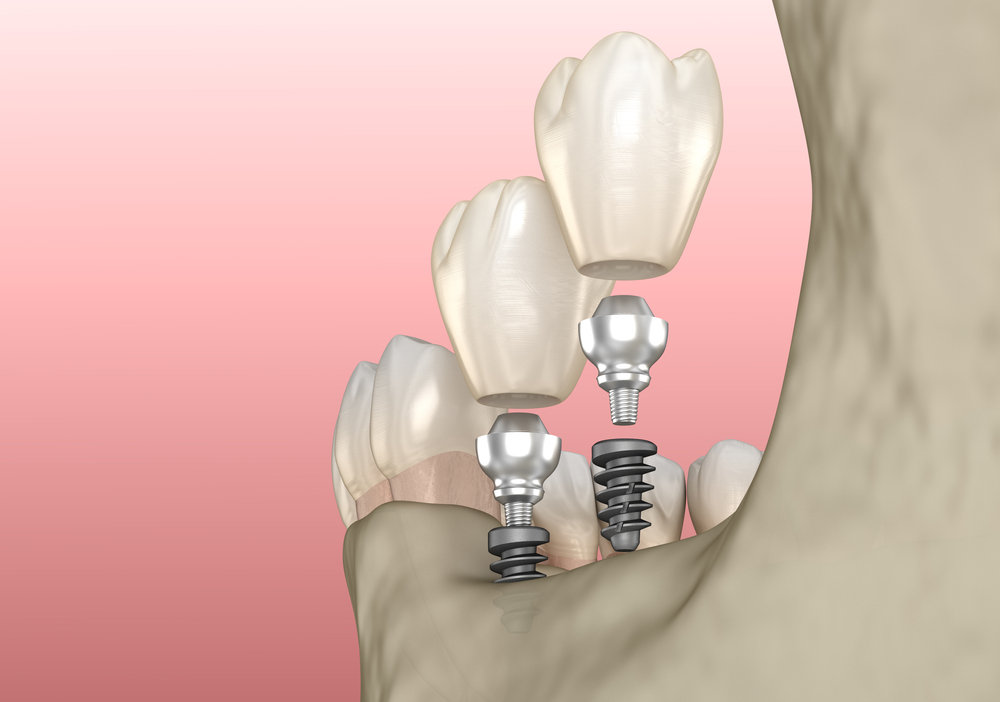
Osseointegration is a process where living bone tissue grows and connects directly to a dental implant, which is a small artificial tooth root placed in the jawbone. Most implants are made from titanium or titanium alloys because our bodies usually accept these materials well, helping to create a strong bond with the bone. In some cases, a ceramic material called zirconia may be used, depending on the patient’s needs and treatment plan.


Unlike natural teeth that are connected to the jawbone through a flexible tissue called the periodontal ligament, dental implants are secured directly to the bone. As the healing process occurs, bone cells grow around the implant, forming a solid connection that allows the implant to handle the pressure from chewing effectively.
Why Is Osseointegration Important for Dental Implants?

Osseointegration allows a dental implant to bond with the jawbone, creating a stable foundation for a replacement tooth. This connection helps the implant withstand chewing forces, function comfortably, and support a crown, bridge, or other implant-supported restoration.

It Creates a Stable Foundation for Replacement Teeth

A dental implant replaces the missing tooth root. Once osseointegration has progressed sufficiently and the dentist approves the next step, the implant can securely support a replacement tooth and withstand normal biting and chewing forces.

It Helps Maintain Jawbone Health

After tooth loss, the surrounding jawbone may gradually shrink due to reduced stimulation. Dental implants transfer chewing forces into the bone, which can help maintain bone in the area. However, infection, gum inflammation, and other factors can still cause bone loss, making ongoing dental care important.

It Supports Long-Term Implant Function

A well-integrated implant can function for many years with good oral hygiene, regular dental visits, and proper restoration maintenance. However, plaque buildup can cause inflammation around the implant, and untreated peri-implant disease may damage the supporting bone.

It Provides a Fixed Tooth Replacement Option

Unlike a removable denture, an implant-supported crown attaches to the implant and generally stays in place during everyday activities. This design provides a stable option for replacing a missing tooth and restoring chewing function.

Ultimately, successful osseointegration provides the foundation for dental implant stability. Maintaining healthy gums and surrounding bone helps protect that connection and support long-term implant function.

How Does Osseointegration Work?

Osseointegration develops through a series of biological stages after a dental implant is placed into the jawbone. The process is gradual, and its pace depends on factors such as bone quality, implant stability, surgical conditions, and the patient’s general health.

  1. Dental Implant Placement

The process begins with careful planning and surgical placement. Before treatment, Dr. Larson evaluates the missing tooth area, the condition of the gums, the available jawbone, and the position of nearby anatomical structures. Dental imaging may be used to assess bone dimensions and determine an appropriate implant position.

During implant placement, the implant is inserted into the prepared site in the jawbone. Initial mechanical stability is important because it helps limit movement while the surrounding tissues begin to heal.

  1. The Body Begins Its Healing Response

Following surgery, the body initiates a normal healing response. Blood collects around the surgical site and forms a clot, providing a temporary framework for early tissue repair. Cells involved in inflammation and healing help clear damaged tissue and prepare the area for regeneration.

Following the postoperative instructions provided by Larson Dental can help protect the surgical area during this vulnerable period.

  1. New Bone Forms Around the Implant

Bone-forming cells, called osteoblasts, begin producing new bone matrix in the area surrounding the implant. Over time, this tissue mineralizes and develops into stronger bone.

The implant surface influences how bone cells interact with the material. Modern implant designs may incorporate surface textures or treatments intended to support bone attachment. However, the implant material and surface cannot compensate for every unfavorable biological condition.

  1. The Bone Connection Matures

Early bone formation gradually develops into a more organized and mechanically stable structure. The connection between the implant and the surrounding bone strengthens as healing continues.

During this stage, the implant may feel completely normal even though the bone is still maturing. The absence of pain does not, by itself, confirm successful osseointegration. Similarly, a small amount of temporary discomfort does not automatically indicate a problem.

  1. The Implant Receives Its Restoration

Once the implant has achieved adequate stability and healing, the dental team can proceed with the planned restoration. Depending on the treatment approach, this may involve attaching an abutment and placing a custom crown, connecting a bridge, or completing an implant-supported prosthesis.

How Long Does Osseointegration Take?

Osseointegration commonly takes about two to six months, although the time required varies according to the individual patient and treatment site. Some implants may be ready for restoration sooner, while others require a longer healing period.

The timeline depends on several important considerations.

  • Bone Quality and Quantity
  • Implant Stability
  • General Health and Healing Factors

These factors do not automatically prevent a person from receiving dental implants. Their significance depends on the individual’s health, medical history, and treatment circumstances. Patients should discuss relevant medical conditions and medications with Dr. Larson before treatment rather than stopping prescribed medication independently.

osseointegration

How Can I Support Successful Osseointegration?

Patients play an important role in protecting their dental implants during recovery. Although the biological process occurs naturally, certain habits can help create favorable conditions for healing and reduce avoidable complications.

  • Follow Your Postoperative Instructions
  • Choose Foods That Protect the Surgical Site
  • Avoid Smoking and Tobacco Products
  • Manage Medical Conditions and Review Medications
  • Keep Every Follow-Up Appointment
  • Protect Your Implant From Excessive Force

What Happens if Osseointegration Fails?

Although dental implants have high success rates, osseointegration does not succeed in every case. Failure occurs when the implant does not develop or maintain an adequate connection with the surrounding bone. The implant may remain mobile, cause persistent symptoms, or become unable to support the planned restoration.

Signs of Possible Implant Failure

Some discomfort and swelling are expected after implant surgery, particularly during the first several days. These symptoms should generally improve as recovery progresses. Symptoms that persist, worsen, or develop after an initial period of improvement warrant attention.

Possible warning signs include:

  • Noticeable movement of the implant itself.
  • Pain or tenderness that persists or increases rather than improving.
  • Swelling, redness, or drainage around the implant site.
  • Pus or an unpleasant taste that may indicate infection.
  • Difficulty chewing because the implant area feels painful or unstable.
  • Changes in the gums or exposed implant components that were not previously visible.


Contact your dental provider promptly if you notice these symptoms. Severe or rapidly increasing swelling, fever, or difficulty swallowing or breathing requires urgent medical assessment, particularly if breathing is affected.

Frequently Asked Questions

Can a Dental Implant Fail After It Has Fused With the Bone?
Can Bone Grafting Help if I Do Not Have Enough Jawbone?
How Do I Know When My Implant Is Ready for a Crown?
What Should I Do if My Implant Hurts Months After Surgery?
Can a Dental Implant Fail After It Has Fused With the Bone?
Yes. An implant may integrate successfully and still develop complications later. Inflammation around the implant, progressive bone loss, excessive biting forces, or problems with the restoration can affect its long-term stability. Consistent oral hygiene and regular professional monitoring help identify concerns early.
Can Bone Grafting Help if I Do Not Have Enough Jawbone?
Bone grafting can help increase the amount of bone available for implant placement in selected cases. The grafted area needs time to heal, and the treatment plan depends on the size and location of the bone deficiency. Dr. Larson can assess your jawbone and discuss whether grafting or another tooth replacement option may be appropriate.
How Do I Know When My Implant Is Ready for a Crown?
You cannot reliably determine this by how the implant feels. Your dentist evaluates healing, implant stability, gum health, and other clinical factors before deciding whether to proceed with the crown or another restoration. Waiting until the implant is ready helps reduce the risk of placing excessive force on a healing site.
What Should I Do if My Implant Hurts Months After Surgery?
New or persistent pain months after implant placement should be evaluated by your dentist. Possible causes include inflammation around the implant, infection, excessive biting pressure, or a loose restoration. Avoid repeatedly testing the area or attempting to tighten any components yourself, and contact your dental provider to arrange an examination.

Explore Dental Implant Options With Dr. Larson in Prescott Valley

Missing teeth can affect more than your smile. They can change the way you eat, speak, and feel about yourself in everyday moments. Dental implants may offer a lasting way to restore comfort, function, and confidence, beginning with successful osseointegration. 

At Larson Dental, Dr. Larson can evaluate your oral health, explain how dental implants work, and help you understand your options for replacing missing teeth. If you are considering dental implants in Prescott Valley, AZ, call Larson Dental at (928) 237-9064 to discuss your needs and learn whether implant treatment may be right for you.